Academic Materials
Slides, course reports, and project materials.
Talk Slides
Medical World Models: Clin-JEPA, EHRWorld, and CLARITY
This research presentation reviews medical world models for clinical trajectory modeling. It compares Clin-JEPA, EHRWorld, and CLARITY across EHR latent rollout, long-horizon inpatient event simulation, oncology treatment decision support, evaluation results, and deployment boundaries.
A time-resolved, multi-symbol molecular recorder via sequential genome editing
This journal-club presentation reviews DNA Typewriter, a sequential prime-editing system for recording event order in genomic DNA. It discusses DNA tape design, barcode-order decoding, lineage reconstruction, and limitations for recording biological signals.
Biochemical Mechanisms of Snake Self-Resistance to Venom
This course presentation introduces biochemical mechanisms that protect venomous snakes from their own toxins. It summarizes neurotoxic and hemotoxic venom classes, receptor-level resistance, and serum inhibitor proteins.
Regeneration Mechanisms Across Diverse Organisms
This journal-club presentation reviews regeneration across invertebrate, vertebrate, and mammalian systems. It summarizes model organisms, cellular sources, stem-cell and dedifferentiation mechanisms, gene regulation, patterning, and single-cell tools for studying regeneration.
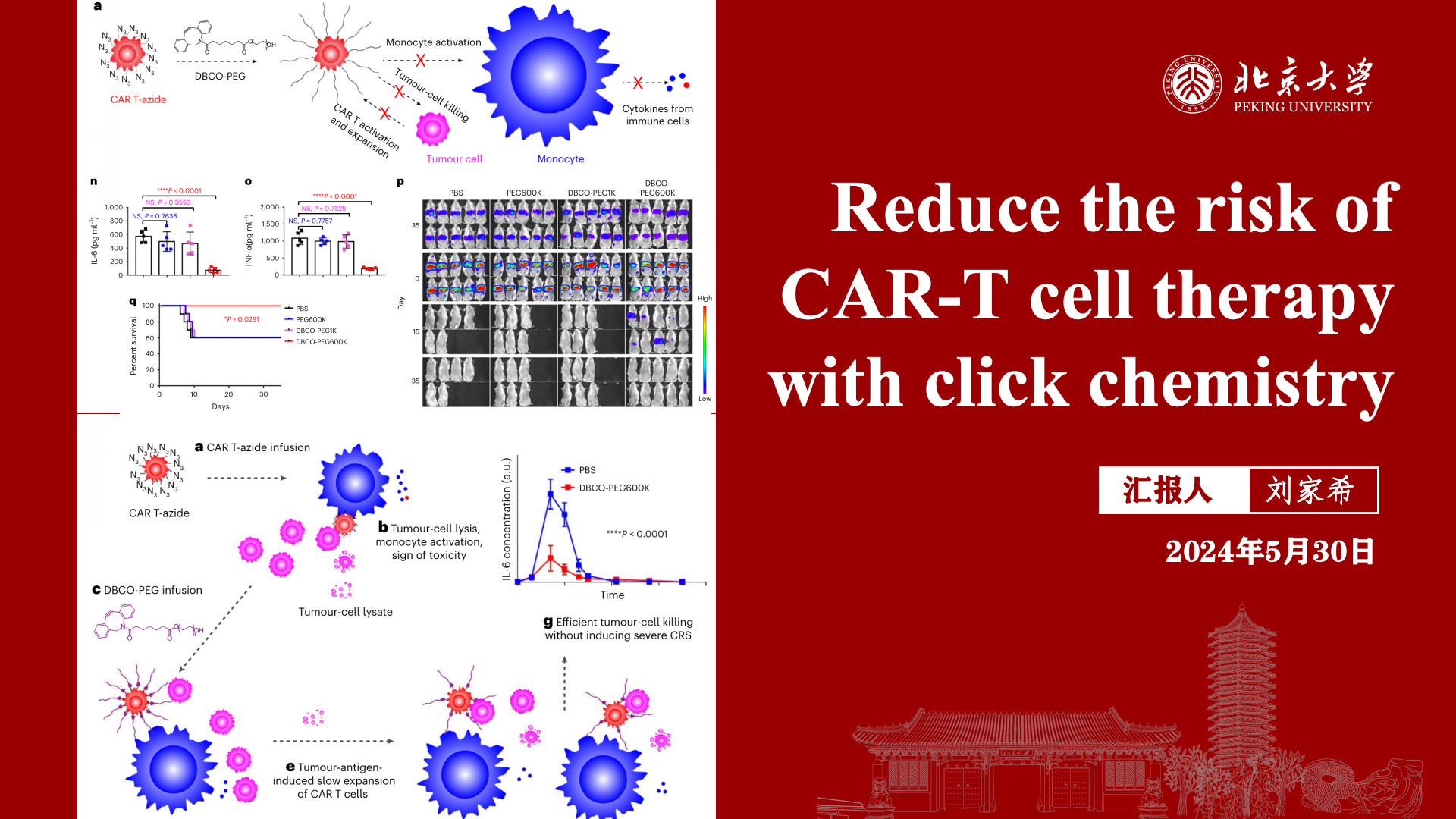
Reduce the risk of CAR-T cell therapy with click chemistry
This course report discusses in situ PEGylation of CAR-T cells using click chemistry as a strategy to reduce treatment-associated toxicity. It summarizes CAR-T therapy, cytokine release syndrome, neurotoxicity, pharmacokinetic evidence, in vitro and in vivo interaction data, and model extensions.

Targeting PP6C as an Inhibitor of PP2A for Cancer Therapy
This course report proposes an experimental workflow to test whether PP6C-mediated inhibition of PP2A can support anticancer drug screening. It outlines background from Drosophila Hedgehog signaling, cell and mouse experiments, target validation, high-throughput screening, and delivery considerations.
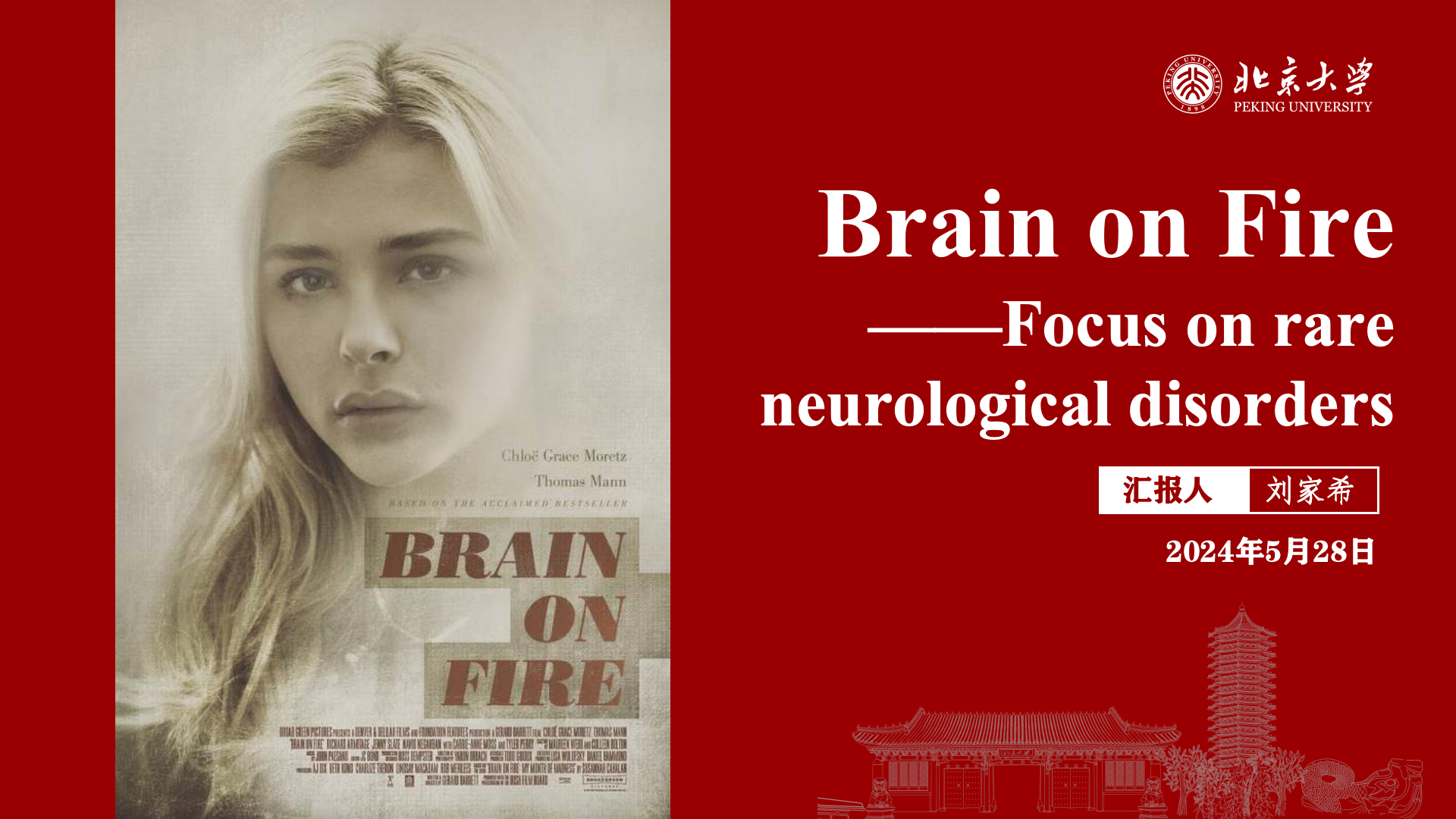
Brain on Fire: Focus on Rare Neurological Disorders
This course report uses Brain on Fire as an entry point to review anti-NMDA receptor encephalitis. It summarizes clinical presentation, diagnosis, antibody sources, disease course, experimental models, hippocampal damage, treatment options, and research challenges in rare neurological disorders.
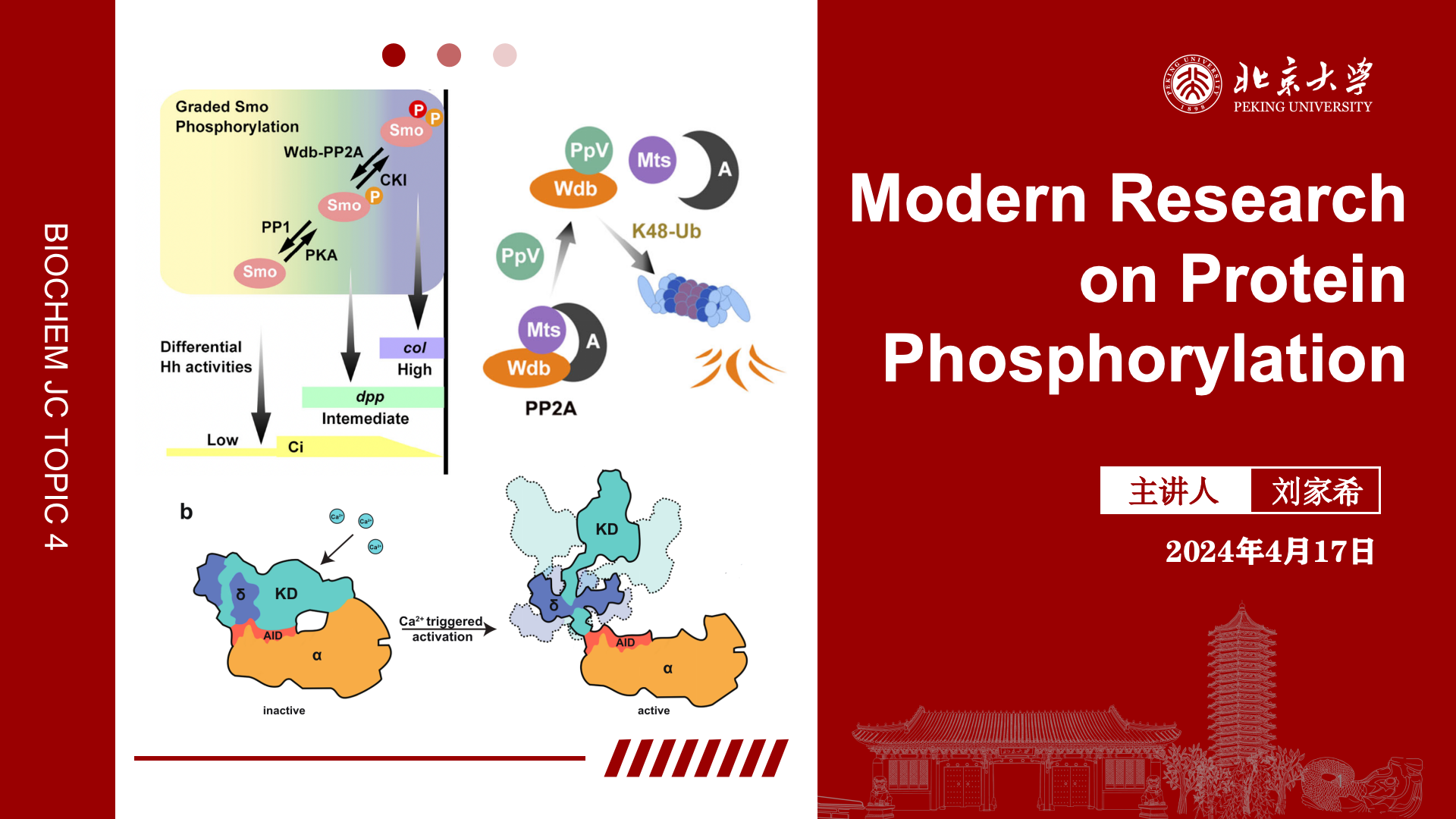
Modern Research on Protein Phosphorylation
This course presentation reviews modern approaches to studying protein phosphorylation through the Hedgehog signaling pathway. It discusses Smoothened phosphorylation, PP1 and PP2A regulation, PpV-Wdb feedback, RNAi and genetic experiments, phosphatase assays, Phos-tag SDS-PAGE, and structural mechanisms of kinase regulation.